
Why the Best Poverty Solutions Don't Start With Us
How Hope Ventures builds lasting change through local partnership
Why doesn't Hope Ventures simply launch and run its own programs around the world?
It's a fair question.
In a world full of urgent need, building your own programs can feel faster, cleaner, and more efficient. But we've learned that lasting transformation rarely works that way — because that kind of transformation cannot be imported. It has to be rooted.
Our mission is to raise up thriving businesses in underserved communities. We believe entrepreneurship is one of the most dignified and sustainable pathways out of poverty. When a business grows, it can help a parent keep children in school, create jobs, strengthen families, and strengthen an entire community.
The most lasting solutions rarely begin with outsiders. They grow from within communities themselves.
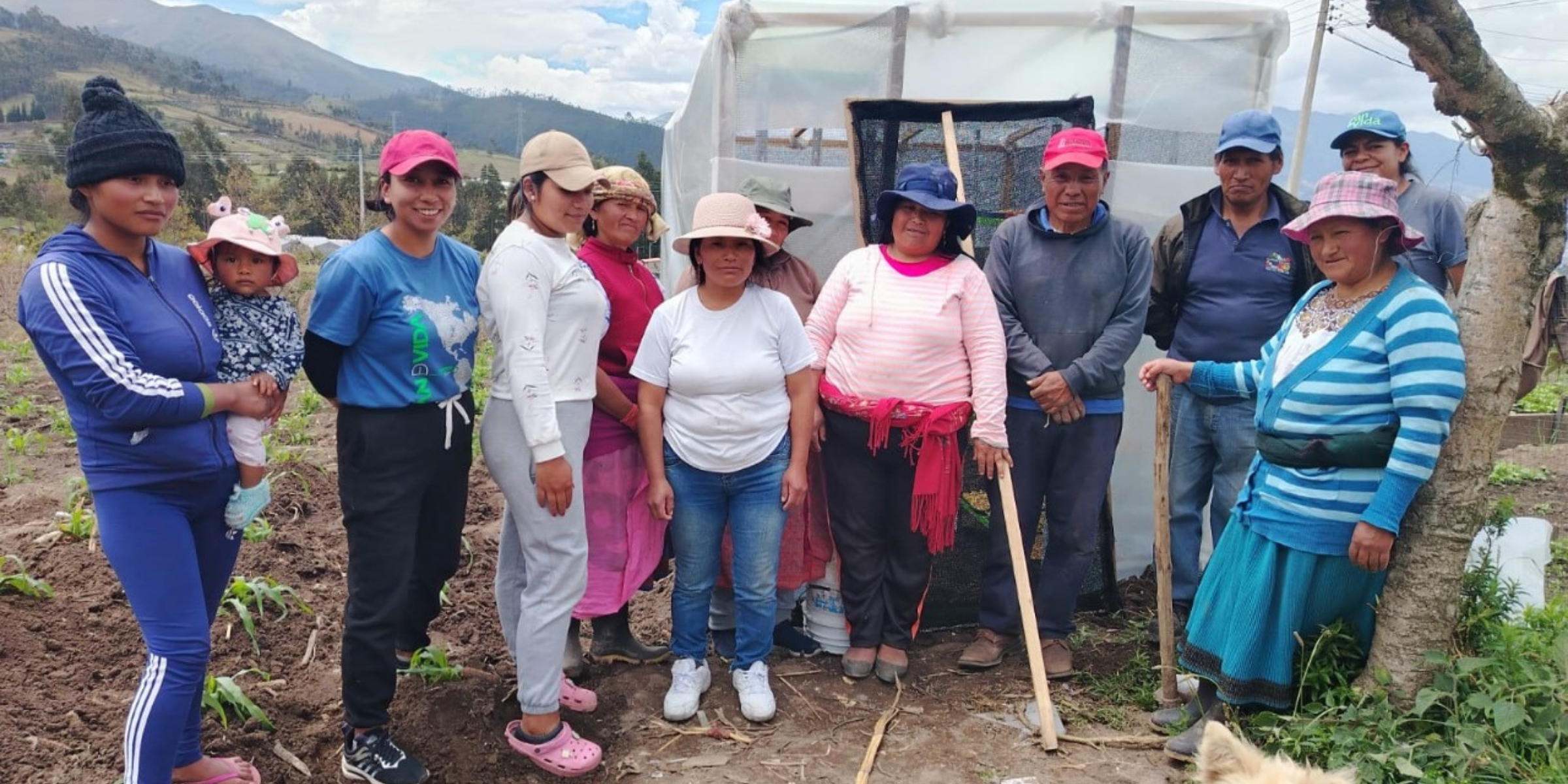
Through our partnership with Pan de Vida, entrepreneurs like these aren't waiting for outside solutions. They're building them.
The Church Already Lives There
When we look at communities facing poverty, we don't start with the assumption that nothing exists.
The Church already lives there.
So do community organizations and local leaders who have faithfully served their communities for years — sometimes decades. They speak the language, understand the culture, and have earned the trust that outsiders simply cannot manufacture. That matters more than any program we could design from the outside.
The strongest solutions don't come from outsiders dropping in with answers. They grow when local leaders are equipped to build on what already exists.
That is where Hope Ventures comes in.
We partner with local churches and community organizations to build sustainable business startup programs in underserved communities. We bring entrepreneurship training, coaching frameworks, tools, and strategic support. Our partners bring local leadership, contextual understanding, trust, and long-term presence — the things that make transformation stick.
Why Partnership Is Our Strategy
We believe partnership isn't a workaround. It's the better model — for theological, strategic, and practical reasons.
Theologically, we believe God is already at work in every community long before an outside organization arrives. That's not a peripheral conviction — it shapes everything about how we show up. We're not bringing hope to hopeless places. We're joining what God is already doing through people already there.
Strategically, local organizations are simply better positioned for lasting impact. A church that has served a community for thirty years carries relational capital that no outside organization can replicate. When we come alongside that — rather than around it — the work goes deeper and lasts longer.
Practically, partnership creates multiplication and better stewardship. Rather than duplicating infrastructure, we strengthen leaders and organizations already rooted in the communities they serve. This also reflects a broader shift in global development thinking: organizations like the OECD and World Bank increasingly recognize that sustainable change is strongest when local communities help shape the solutions — not just receive them.
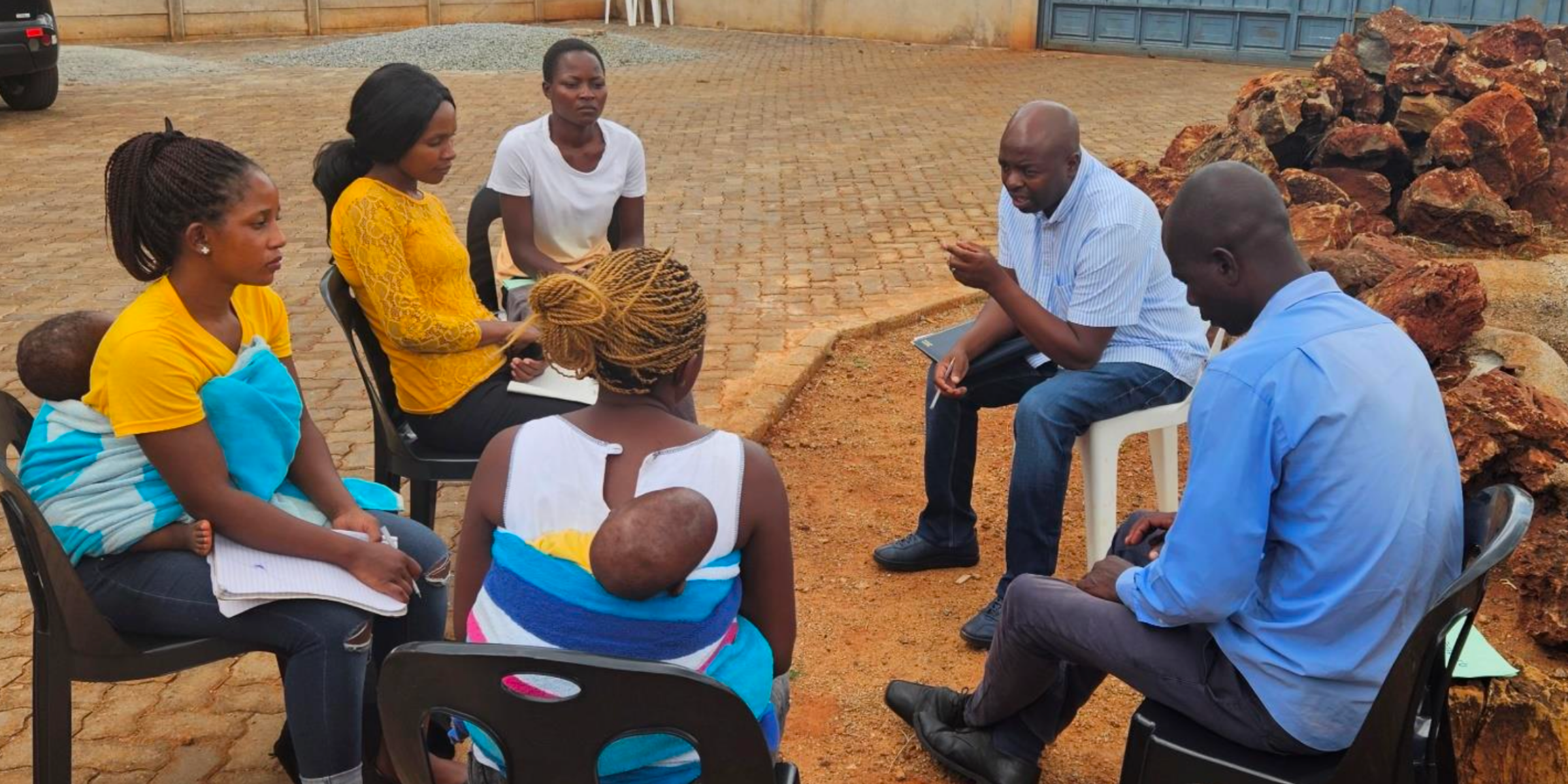
Tafadzwa Rwizi, a trainer with our Gilead partnership in Zimbabwe, leads entrepreneurs through a session on understanding their customers. This is what locally-led training looks like.
Building Capacity, Not Dependency
Good intentions alone don't guarantee good outcomes.
Organizations can unintentionally create systems where communities remain dependent on outside leadership, funding, or decision-making. When that happens, local ownership stays shallow and sustainability becomes difficult. Some call it the savior dynamic. Whatever you call it, the result is the same: programs that stall the moment outside support does.
Hope Ventures is not interested in building programs that depend on us forever. We are interested in building capacity.
We've seen this model bear fruit in places like Malawi, Ecuador, Sierra Leone, and beyond. In Malawi, entrepreneurs don't simply complete training and move on. Through a trusted local partnership, many continue growing through a business association where they encourage one another, share opportunities, and solve challenges together — long after formal training ends. That's not a Hope Ventures program running indefinitely. That's a community that owns its own future.
Why This Matters
At Hope Ventures, entrepreneurship is not simply about launching businesses.
It is about restoring dignity. Strengthening families. Expanding opportunity. Helping communities move from survival toward the flourishing that God intends for every person.
That kind of change cannot be imported. It must be rooted in trusted relationships, local leadership, and shared ownership.
That is why we choose partnership first — not because it's easier, but because it's right. Thriving communities aren't built through outside control. They're built by people equipped to shape their own future.
Mark Goeser
CEO, Hope Ventures
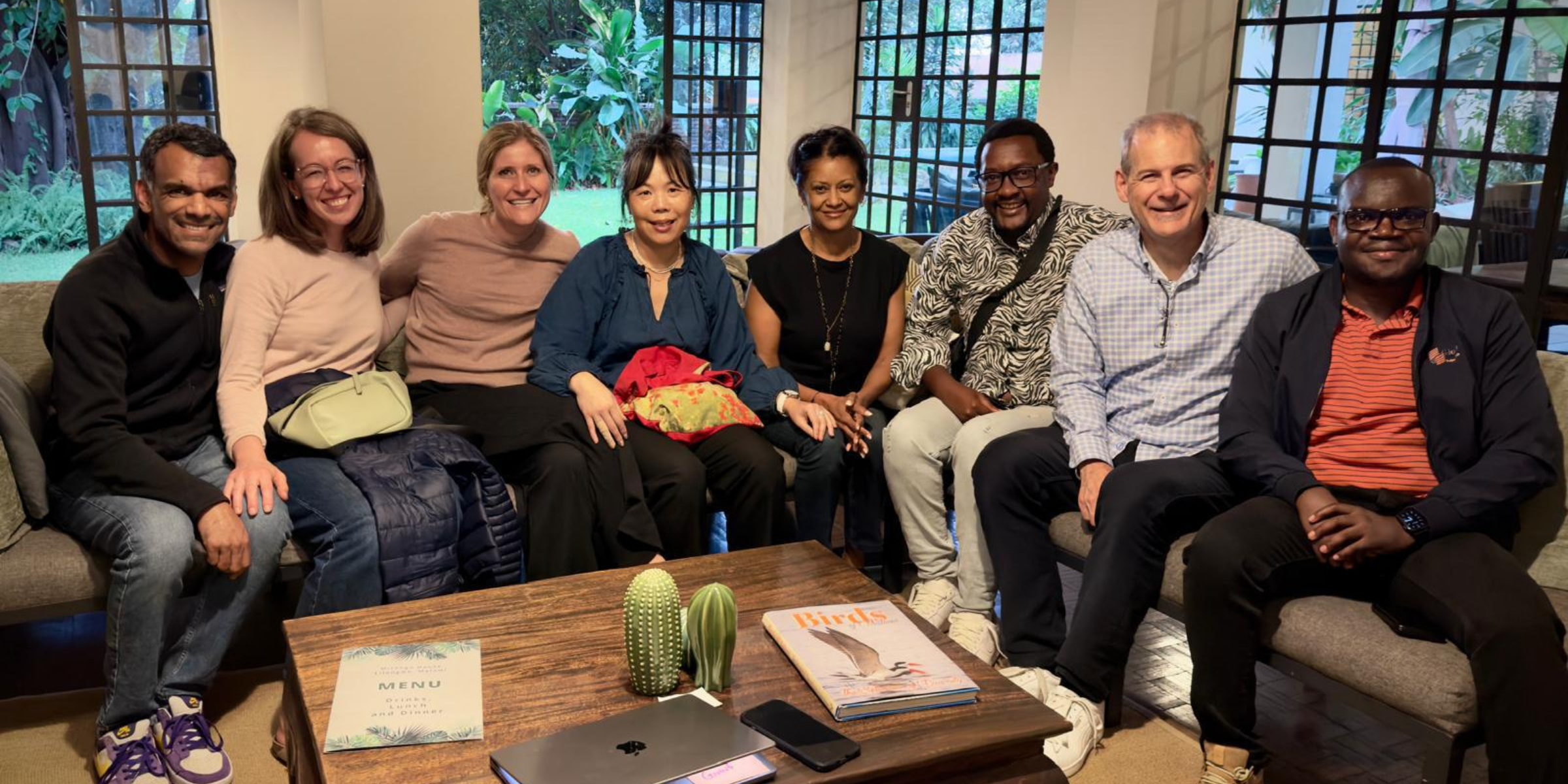
This is where partnership begins — not with a program, but with a conversation. Hope Ventures team with Hope Business Hub (Malawi) leaders Ben Meki (3rd from right) and James Nyirongo (far right) .